

Botox may be best known for smoothing wrinkles, but for many living with chronic migraine, it’s also a powerful tool to help prevent attacks. Approved by the U.S. Food and Drug Administration (FDA) in 2010, Botox for migraine has become a widely used and effective preventive treatment.
Whether you’re just beginning your migraine management journey or have tried several preventive medications without success, Botox might be worth considering. In this article, we’ll break down what Botox is, how it works, who it’s for, and what you can expect before, during, and after treatment.
** While Migraine Strong writes about the latest in migraine treatments, this is not medical advice. We are patient educators. All information you read should be discussed with your doctor.
What Is Botox?
Botox is the brand name for onabotulinumtoxinA, a purified neurotoxin derived from the bacterium Clostridium botulinum. While it’s widely known for cosmetic use—reducing fine lines and wrinkles—it’s also FDA-approved for several medical conditions, including chronic migraine.
The discovery that Botox could help with migraine was somewhat accidental. Patients receiving Botox injections for cosmetic reasons reported fewer headaches, prompting researchers to explore its effects on migraine. Clinical trials confirmed its effectiveness in reducing the number of headache and migraine days for people living with chronic migraine. Botox was officially approved for chronic migraine in 2010 by the FDA.
How Botox Works for Migraine
While the exact mechanism isn’t fully understood, Botox is believed to work by blocking the release of certain neurotransmitters involved in the pain pathways associated with migraine. These neurotransmitters signal pain, and Botox may help interrupt that communication before an attack begins.
Unlike acute treatments, which are taken once a migraine attack has started, Botox is a preventive treatment. The goal is to reduce the number, frequency, and severity of migraine attacks over time. On average, Botox reduces 8 to 9 headache and migraine days per month [1].
Who Qualifies for Botox for Migraine?
Botox is approved only for chronic migraine, not for episodic migraine. According to the International Classification of Headache Disorders, chronic migraine is defined as:
- 15 or more headache days per month, and
- At least 8 of those days must include migraine features, such as head pain, sensitivity to light or sound, nausea, or visual aura
- Symptoms must persist for more than 3 months
In most cases, insurance providers require that patients try and fail two or more preventive treatments—either due to lack of effectiveness or intolerable side effects—before approving Botox. This is called Step Therapy.
The Botox Procedure: What to Expect
Botox for migraine is typically administered by a neurologist or headache specialist trained in the PREEMPT injection protocol, which involves:
- 31 small injections
- Across 7 specific muscle areas in the head, neck, and shoulders
- Every 12 weeks (approximately every 3 months)
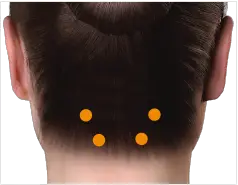
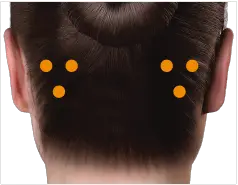
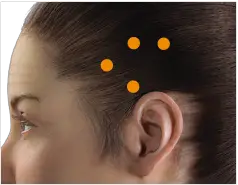
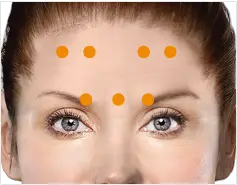
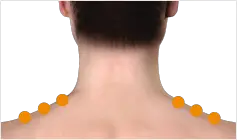
The treatment itself usually takes between 5 to 15 minutes. A fine needle is used to inject small amounts of Botox into the targeted areas. Most patients describe the sensation as a series of small pinches or stings, and the procedure is generally well tolerated.
There is no required recovery time—you can typically drive yourself home afterward and return to your regular activities the same day, though some people prefer to rest for a few hours. Most doctors recommend not exercising or lifting for 24 hours after the procedure. The Cleveland Clinic has a good overview of what you should and shouldn’t do after Botox for migraine.
When Will You See Results?
Botox is not an instant solution. Results typically appear gradually over time. According to studies and patient reports:
- Some people experience improvement within 4 weeks
- Most see significant results after 2 to 3 treatment cycles, spaced 12 weeks apart
- On average, Botox reduces 8 to 9 headache or migraine days per month [1]
Research shows that even if a patient doesn’t respond after the first cycle, they may respond after the second or third. A large study found that:
- ~25% of people who didn’t improve after the first treatment cycle responded after the second
- Another ~25% who didn’t respond after the second round improved after the third
This supports the recommendation to try Botox for at least three full treatment cycles before evaluating its effectiveness [3].
Predicting Whether Botox Will Work for You
While there’s no guaranteed way to know whether Botox will work for an individual, some studies have looked for possible predictors.
A study by Dr. Rami Burstein suggested that the type of migraine pain a person experiences might help indicate whether they’ll respond to Botox. The research found:
- People who describe their pain as “imploding” (a crushing or inward sensation) were more likely to respond to Botox
- People who describe “exploding” pain (as if pressure is building inside the head) were less likely to respond
In fact, 92% of non-responders reported “exploding” pain, while 74% of responders described “imploding” or “ocular” migraine pain [5].
Overall, about 65% of chronic migraine patients respond to Botox after three cycles [4].
Botox Side Effects and Safety
Botox is considered a safe and generally well-tolerated treatment. However, as with any medical procedure, side effects can occur. The most commonly reported side effects include:
- Neck pain
- Headache or worsening of migraine symptoms
- Eyelid or eyebrow drooping (ptosis)
- Muscle stiffness or weakness near the injection sites
- Mild bruising or swelling [6], [7]
The good news is that side effects tend to decrease with each subsequent treatment [8].
If side effects persist, your doctor may adjust the dose, recommend a different botulinum toxin like Myobloc, or consider discontinuing the treatment altogether.
The first time I tried Botox, I felt like my attack frequency increased, and I ended up giving up on it too soon. I tried it again a few years later and had no noticeable effect until round 3, when I felt there was a slight improvement. The reduction in migraine attacks came after I received my 4th round. While eyebrow drooping (the Spock effect) happened after one round, my headache specialist adjusted the placement of injections and that hasn’t happened since.
What If Botox Wears Off Early?
Botox is designed to last about 12 weeks, but for some patients, its effectiveness may begin to fade sooner. Unfortunately, insurance companies rarely approve more frequent treatment. However, some patients are successful in getting Botox every 10 weeks with a prior authorization. Read our complete article about Botox for migraine wear-off.
If migraine symptoms return before your next scheduled round, some doctors offer nerve blocks or trigger point injections as a bridge. Another bridge therapy utilizes Nurtec (rimegepant) every other day as a two-week preventive. These can help manage pain while you wait for your next Botox session. Talk to your doctor about what options they think will work best for you.
What If Botox Stops Working?
In rare cases, Botox may become less effective over time. This could happen for two main reasons:
- The body develops antibodies that neutralize the effects of Botox (occurs in fewer than 1% of patients) [12]
- Migraine disease evolves, and Botox is no longer effective
If Botox stops working, your doctor may explore alternatives like Myobloc (rimabotulinumtoxinB), another type of botulinum toxin. While not FDA-approved for migraine, it has been shown to help in some patients [9].
Is Botox Covered by Insurance?
In the U.S., most insurance providers—including Medicare and Medicaid—cover Botox for chronic migraine, provided specific criteria are met. These typically include:
- A chronic migraine diagnosis (15+ headache days/month)
- Documented trial and failure of other preventive treatments
You may also be eligible for the Botox Savings Program, which helps cover out-of-pocket costs.
Can Botox Help with Vestibular Migraine?
Although Botox is not officially approved for vestibular migraine (which includes dizziness and vertigo as primary symptoms), there is limited but promising evidence that it may help—especially in people who also experience frequent head pain.
One 2017 case report from Korea described a 58-year-old woman whose chronic migraine and recurrent dizziness disappeared within a day of receiving Botox injections [10]. While this is just one case, it suggests potential benefit in select patients. More research is needed.
A 2021 study found that adding Botox to an oral medication (amitriptyline, propanolol, flunarizine) reduced the frequency of vestibular migraine attacks, but did not decrease the severity of vertigo when the attacks did occur. [15]
Botox for Migraine and Medication Overuse Headache (Rebound Headache)
Medication overuse headache, also known as rebound headache, occurs when acute migraine medications are used too frequently. These headaches are difficult to treat and often don’t respond well to preventive medications—including Botox—until medication overuse is addressed [13].
Some research recommends detoxing from acute medications before beginning Botox, as this can increase the chances of success [14].
Is Botox a Standalone Solution?
Botox can be incredibly helpful, but for most people, it’s one part of a comprehensive migraine treatment plan. Managing chronic migraine often requires a combination of:
- Lifestyle changes (hydration, sleep, stress management)
- Supplements
- Preventive medications
- Physical therapy or chiropractic care
- Cognitive behavioral therapy (CBT) or biofeedback
This multi-pronged approach is often referred to as the Migraine Strong ‘Treatment Pie‘—and Botox is just one slice.
Final Thoughts
Botox for migraine is a powerful option for people living with chronic migraine, especially those who haven’t found relief from other preventive treatments. It doesn’t work for everyone, but studies show it can significantly reduce headache days, improve quality of life, and decrease the need for acute medications.
If you think Botox might be right for you, start the conversation with your neurologist or headache specialist. Together, you can decide whether this treatment fits your overall migraine management strategy.
Feel free to join our Migraine Strong Facebook group to chat with other members who get Botox to manage their migraine disease.
This article is not sponsored by Botox or Allergan.
The information in this article is to help you educate yourself and is not medical advice. Please consult your healthcare provider before changing your migraine treatment.
References:
[1] OnabotulinumtoxinA: A Review in the Prevention of Chronic Migraine. 2018
[2] https://www.botoxchronicmigraine.com/chronic-migraine-treatment
[3] OnabotulinumtoxinA: A Review in the Prevention of Chronic Migraine. 2018
[4] The Journal of Headache and Pain. 2018.
[5] https://www.ncbi.nlm.nih.gov/pmc/articles/PMC1831831/
[6] https://www.botoxchronicmigraine.com/pdf/You_Got_This_Online_DDG_Headache_Specialist.pdf
[7] OnabotulinumtoxinA: A Review in the Prevention of Chronic Migraine. 2018
[8] OnabotulinumtoxinA: A Review in the Prevention of Chronic Migraine. 2018
[9] Onabotulinumtoxina therapy is also effective for dizziness in vestibular migraine
[10] https://www.sciencedirect.com/science/article/abs/pii/S0041010108002705?via%3Dihub
[11] Vestibular migraine
[12] What to do when Botox stops working
[13] OnabotulinumtoxinA: A Review in the Prevention of Chronic Migraine. 2018
[14] https://academic.oup.com/brain/article/142/5/1203/5457721
[15} https://pmc.ncbi.nlm.nih.gov/articles/PMC9615515/
Awesome post! Thanks for sharing the knowledge and keep up the good work.
Thank you for your info as I was diagnosed at age 9 and am currently sitting at 39 and have yet to fully find a nice piece of my pie to help but it is a work in progress
It’s good to know that we’ll need lots of rest and ice or heat after the Botox treatment. My older sister is looking into getting Botox treatment for migraines within the next couple of months. I’ll share this info to help her develop the best plan for recovering after the treatment!
Good luck to her!! It has been helpful for me! -eileen
I am nearing my 3rd round of botox for migraine and am wondering if for anyone else it seems to make migraines better than baseline for the first 6 weeks and worse than baseline for the second 6 weeks? This is making me question whether or not to get the 3rd round.
I don’t recall hearing many people say that. I wish I had more specific feedback for you. That’s a good question for your doc. I hope you feel better soon. – Danielle
I have been prescribed Botox for my Vestibular Migraine…I’ve been “dizzy” for over a year…feeling like I’m on a rocking boat…taking magnesium, B2, Candesartan 16, ….no painful headaches (for the past year)….wondering if anyone has had success from Botox for Vestibular Migraine…? Thank you so much…Denise
I am booked in for 15th September and I have always been against botox, so I am still scared to go ahead with this treatment.
Can I drive home after the injections? I live probably 30 minutes drive from the hospital.
The side affects are my greatest worry, drooping eyes or eyelids is that permanent or how long is it temporarily?
I am having sheer fear anxiety just thinking of it.
Glad you are booked.It’s important to to keep trying interventions and being hopeful that tomorrow will be a better day. Many people drive themselves home but ask the doc’s office for their recommendations for you. Only SOME people have that side effect. Most do not. It is considered temporary and fades as the botox fades. This could make a BIG difference for you. Fingers crossed!
Just like with any other medical treatment, the outcome of Botox injections will vary from patient to patient. With that being said, current research suggests that Botox treatment for chronic migraines is successful at significantly reducing the frequency of headache episodes each month.
I got myelitis after the third session of Botox injections. It last for six months. I also developed a rash that is still intermittent.
Thank you for sharing your experience. We are all so different and it’s hard to predict who will have success or side effects. Much like other meds. I hope the rash soon disappears completely!!
Good Afternoon:
I suffer from chronic migraines and pppd. I currently take prozac 10 mg for pppd and nurtec for chronic migraines. I do not experience much improvement with these medications especially with the light sensitivity in my office. Do you think I would be a good candidate for botox?
I haven’t tried devices like cefaly or GammaCore yet. Thank you, Mia!
Hi Mia! I’m not a doctor so I can’t guess whether Botox would help or not. The best thing to do is ask your doctor. Are you seeing a headache specialist? Some neurologists have different specialties (stroke, Parkinson’s etc.) It’s best to find one that specializes in headaches if you haven’t already.
I have talked to many people who have had good luck with Cefaly or gammaCore for dizziness. It could be worth a try.
As far as the light in your office, have you tried migraine glasses? The Avulux glasses are great for this and can actually help when a migraine attack is approaching. There are others out there as well. We have a discount code to receive $25 off of the Avulux brand when you use MIGRAINESTRONG as the code here is a link to their website. I have had good luck with those as well as others that I have purchased. If price is a consideration, check out Amazon for some options. They might not be as backed by science, but dealing with migraine can get quite expensive.
I have written about light sensitivity if you want to read what works for me.